
Let’s face it—buying a self-loading concrete mixer isn’t like picking out a new lawnmower or choosing a paint color for the kitchen. It’s more like choosing a business partner, except this one doesn’t take lunch breaks, complain about the weather, or mysteriously vanish when deadlines loom. The self loading cement mixer you select will either elevate your construction game to unprecedented efficiency or turn your site into an ongoing episode of mechanical melodrama. In a world flooded with specs, noise levels, and brand swagger, you’ll need more than a brochure and a gut feeling. You need strategy. Possibly caffeine. Definitely sarcasm.
The Illusion of Choice: Why Most Mixers Look the Same
Paint It Yellow and Call It Premium
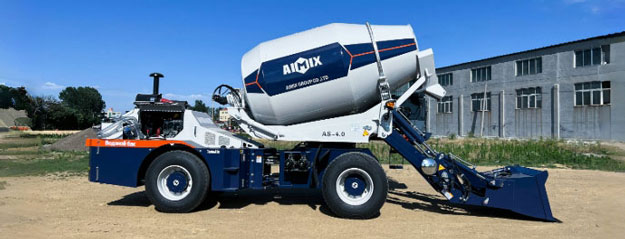
There’s a curious trend among manufacturers. Slap on a shiny paint job, a fancy logo, and voila—you’ve apparently birthed a premium machine. But if you scratch below that industrial-grade enamel, many so-called top-tier large concrete mixers share the same skeletal structure as their bargain-bin cousins. Don’t fall for superficial aesthetics. Look for the soul of the machine: the engine, the hydraulics, the steel grade, and whether the operator seat makes you feel like you’re about to command a space shuttle or a riding lawnmower from 1998.
Spec Sheets vs. Reality Shows
The spec sheet says 4 cubic meters per batch. The reality says 2.7 when the sun’s out, the slope is generous, and the operator skipped breakfast. What gives? Welcome to the theater of inflated numbers. To choose smart, interrogate those specifications like you’re a suspicious detective in a concrete crime drama. Ask for videos, onsite demos, and—heaven forbid—real customer references. If a machine truly delivers, someone somewhere is bragging about it.
Brains Over Brawn: What Actually Makes a Mixer Smart
The Automation Mirage
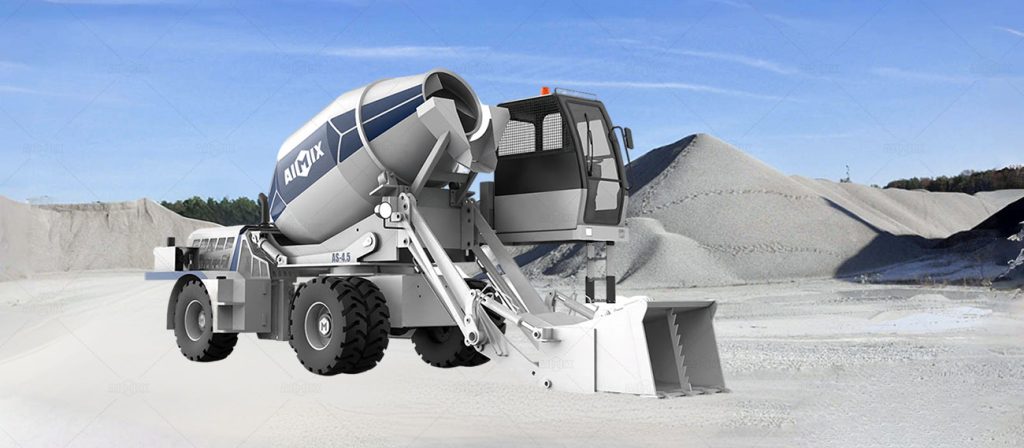
Every vendor will swear their mixer is smarter than your average smartphone. Auto-weighing, auto-loading, auto-something. But here’s the thing—half the time, automation features are just extra buttons to break. A truly smart mini cement mixer is intuitive, not experimental. Look for hydraulic systems that react without drama, weighing systems that don’t get confused by a stray rock, and water dosing controls that don’t assume your concrete mix recipe changes hourly.
Operator Dignity: A Forgotten Metric
Can we talk about operator comfort without being accused of luxury fetishism? The poor souls piloting these machines endure heat, dust, potholes, and the occasional site supervisor with delusions of grandeur. A mixer with a half-decent cabin, working air vents, and a seat that doesn’t induce scoliosis by lunch is not indulgent—it’s strategic. Happy operators make fewer mistakes, complain less, and actually want to come to work. Who knew?
Investing Wisely: Avoiding Future Regrets in Heavy Machinery
Brand Legacy vs. Marketing Wizardry
Just because a brand screams louder doesn’t mean it knows what it’s doing. Some of the most dependable self loading concrete mixers for sale in Kenya come from underdog manufacturers who pour more into metallurgy than marketing. Investigate the legacy, not the jingle. Does the brand have a graveyard of failed models? Or a cult-like following of loyal users who’d sooner give up coffee than switch machines? Follow the obsession.
After-Sales Support: The Real MVP
Let’s say your gleaming new mixer breaks down two weeks into your biggest pour. Who do you call? And more importantly, do they answer? A mixer with no support is just a very expensive lawn ornament. Before purchasing, test their service response like you’re staging a prank. Call their hotline at odd hours. Send a fake part inquiry. If they flinch, walk away. Your construction site deserves loyalty, not ghosting.