
Selecting the right types of concrete mixing plants is a critical decision for construction entrepreneurs and investors. The choice impacts production efficiency, project timelines, and long-term profitability. Understanding the differences between plant types—such as stationary concrete mixing plants, mobile concrete mixing plant for sale, and compact concrete batching plants—allows businesses to align equipment selection with specific operational goals.
Understanding Different Types of Concrete Mixing Plants
Concrete mixing plants can be broadly classified into stationary, mobile, and compact types. Each has distinct advantages and applications, making it essential to evaluate business requirements before investing.
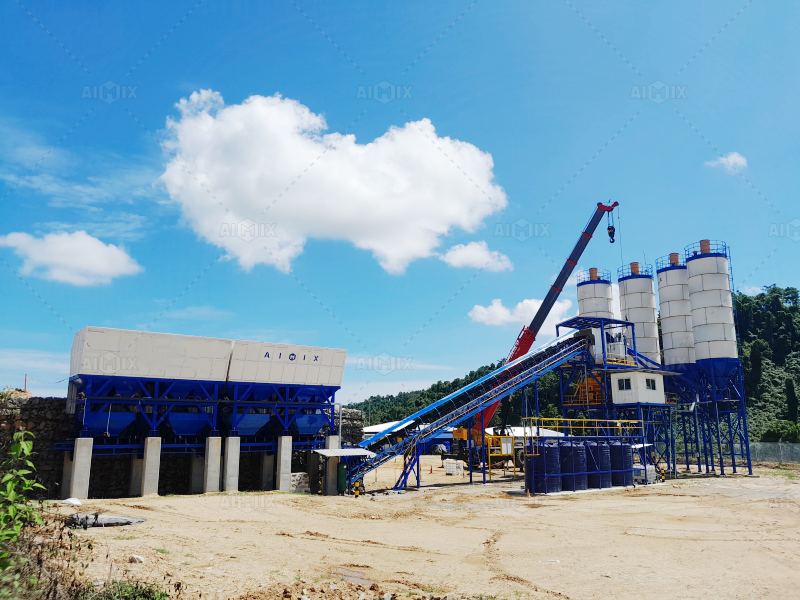
Stationary Concrete Mixing Plants are designed for high-volume, long-term production. They are typically installed in permanent locations with adequate infrastructure and are ideal for large-scale construction projects, such as highways, bridges, and industrial complexes. These plants provide consistent batching quality and high output, making them suitable for businesses targeting bulk concrete supply.
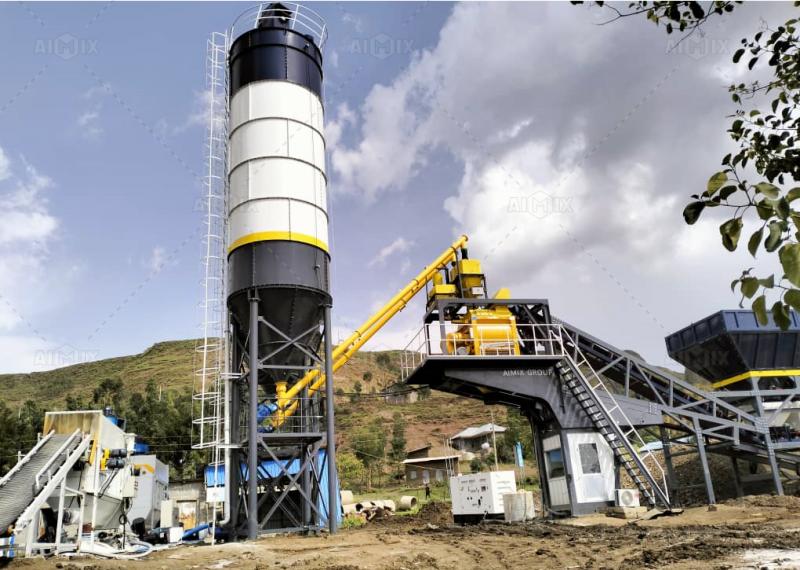
On the other hand, a mobile concrete mixing plant for sale offers flexibility for temporary projects or sites with changing locations. Mobile plants are self-contained, easily transportable, and can be quickly set up on new sites. This type is perfect for construction contractors who require concrete production in multiple locations or seasonal projects.
Compact Concrete Batching Plants combine the advantages of both stationary and mobile plants. They are smaller in size, occupy less space, and often include modular components for easier installation and relocation. Compact plants are ideal for urban projects with limited space or small- to medium-sized construction enterprises that require moderate production capacity.
Aligning Plant Selection with Business Goals
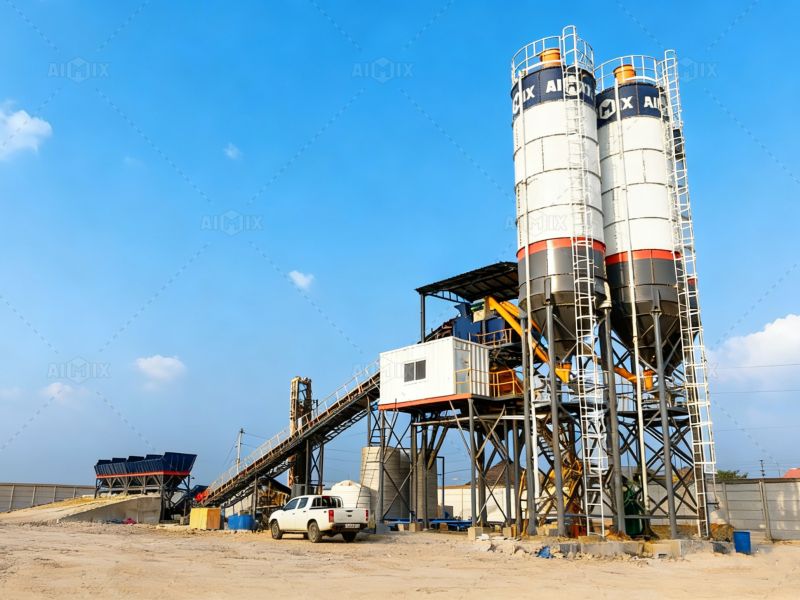
Business goals play a decisive role in choosing the right plant. High-volume suppliers and ready-mix operators generally benefit from stationary concrete mixing plants due to their large capacity, stable production, and long-term reliability. The ability to customize stationary plants with multiple mixers, additional aggregate bins, and automation systems supports diverse concrete mix designs, improving competitiveness in the market.
For companies with multiple project sites or temporary construction contracts, investing in a mobile concrete mixing plant for sale allows flexibility without committing to a permanent installation. Mobile plants minimize transportation costs for raw materials and concrete delivery and are ideal for clients working on remote or scattered sites.
Entrepreneurs operating in urban areas or small-scale projects may find compact concrete batching plants to be the most cost-effective option. These plants provide sufficient output for residential or commercial buildings while minimizing space requirements and installation costs. Compact plants also allow for future expansion if production demands increase.
Evaluating Key Factors in Plant Selection
Several factors should guide the selection of the right types of concrete mixing plants:
-
Production Capacity: Consider the projected volume of concrete needed. Large-scale projects require high-capacity stationary plants, while smaller or scattered projects may only need mobile or compact solutions.
-
Space Availability: Urban projects with limited site space benefit from compact batching plants, whereas rural or industrial locations can accommodate stationary plants.
-
Project Duration: Permanent projects favor stationary plants for long-term efficiency, while temporary or short-term projects require mobile solutions.
-
Budget Considerations: Mobile and compact plants typically require lower upfront investment than full-scale stationary plants. Balancing cost with production needs ensures maximum ROI.
-
Automation and Technology: Advanced automation improves batching accuracy, reduces labor costs, and ensures consistent concrete quality. Businesses should select plants that match their technological and operational goals.
Supplier and After-Sales Support
Choosing a reputable supplier is equally important when investing in any type of concrete plant. Reliable manufacturers of stationary concrete mixing plants, mobile concrete mixing plant for sale, or compact concrete batching plants offer technical support, spare parts availability, and training for operators. Strong after-sales service ensures minimal downtime, improved productivity, and long-term profitability.
Strategic Considerations for Multiple Plant Types
Some businesses may benefit from operating multiple plant types simultaneously. For instance, a central stationary concrete mixing plant can supply bulk concrete to high-demand areas, while mobile plants serve temporary construction sites. Compact concrete batching plants can support small urban projects or act as satellite units to supplement production. This strategy allows companies to adapt to varying project requirements and maintain operational flexibility.
Conclusion
Selecting the right types of concrete mixing plants—whether stationary concrete mixing plants, mobile concrete mixing plant for sale, or compact concrete batching plants—requires careful assessment of business goals, production needs, project scope, and budget. Stationary plants offer high-volume production and long-term stability, mobile plants provide flexibility for temporary sites, and compact plants balance efficiency with space savings for urban or small-scale projects.
By analyzing production requirements, site conditions, and investment goals, construction entrepreneurs can choose the optimal plant type to maximize efficiency, profitability, and long-term business growth. Partnering with a reputable supplier ensures access to reliable equipment, technical support, and after-sales service, making it easier to operate a successful concrete batching plant business.