
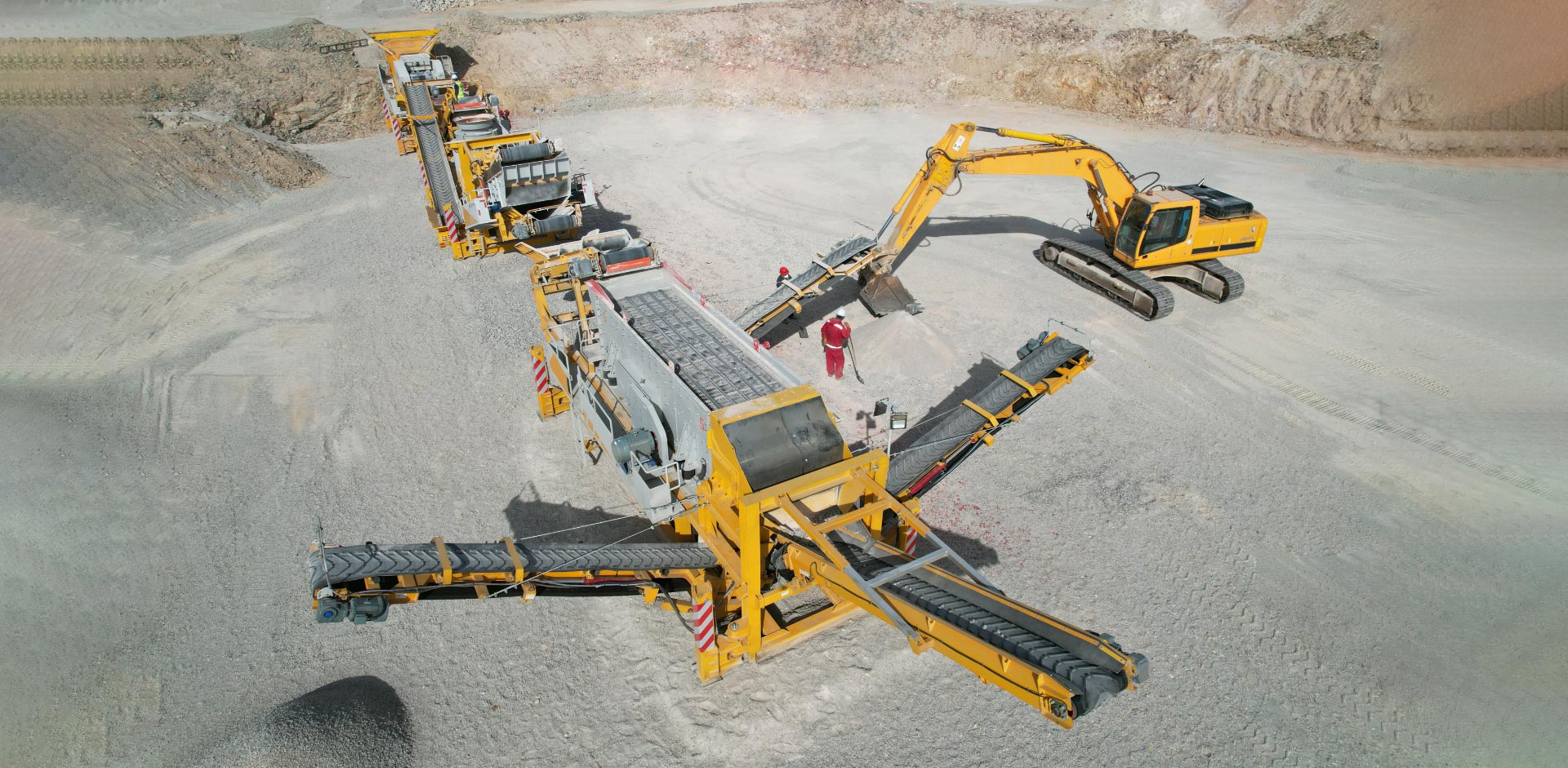
When you are looking for compact crusher for sale, small cone crusher for sale, stone crusher equipment, or gravel crushing equipment for sale to start or upgrade a gravel crushing operation, you must understand that safe and correct setup is the foundation of stable production, personal safety, and long service life of the machine. A small cone crusher for sale is widely used in small and medium‑sized gravel production lines because of its high efficiency, strong crushing force, good grain shape, and flexible layout. However, improper installation, unstable foundation, wrong connection, or careless inspection can easily lead to vibration, deviation, component damage, blockage, or even safety accidents. This article systematically explains the complete process, key standards, and safety rules of how to safely set up a small cone crusher for sale for gravel crushing, helping users avoid risks, improve efficiency, and make full use of the performance of stone crusher equipment.
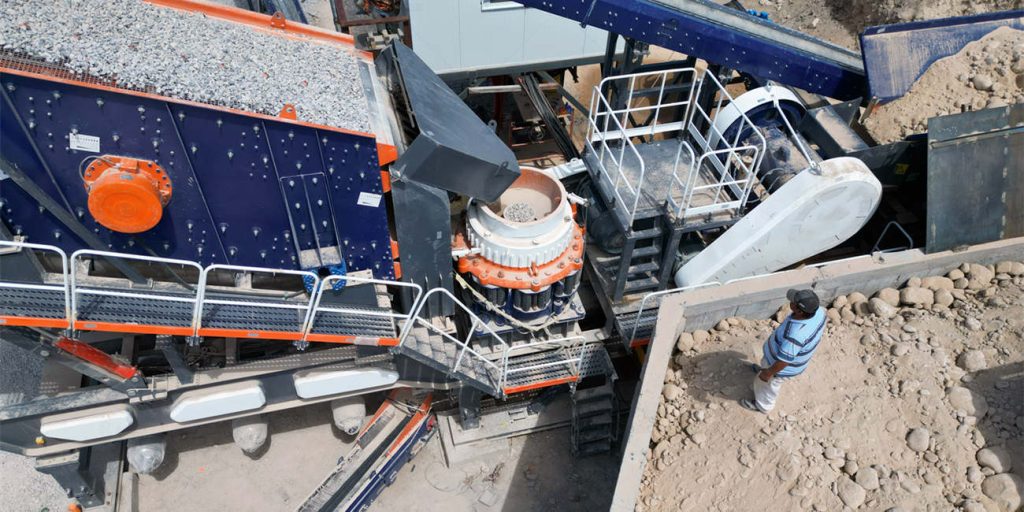
Pre‑Setup Preparation: Safety and Site Conditions Before Installing Small Cone Crusher
Before you start installing a small cone crusher for sale, you must complete sufficient preparation work, including site selection, foundation treatment, tool preparation, and safety protection, which directly determines whether the gravel crushing equipment can run safely and stably.
First, choose a solid, flat, and open installation site. The ground must have enough bearing capacity to bear the weight of the small cone crusher, the feeding device, the conveyor, and the dynamic load during operation. Soft soil, sand, or slope must be leveled, compacted, or poured with concrete to prevent settlement or tilt during operation. At the same time, enough space should be reserved around the small cone crusher for sale for feeding, discharging, inspection, maintenance, and emergency evacuation. The site should also be equipped with a reliable power supply, lighting, and dust suppression facilities, which are essential for the safe operation of gravel crushing equipment for sale.
Second, check all parts of the small cone crusher for sale and matching stone crusher equipment. Before installation, unpack and check the host machine, motor, base, frame, conveyor, bolts, lubrication parts, hydraulic parts, and electrical control system. Check whether there is collision damage, missing parts, cracked welds, or loose fasteners during transportation. If any abnormality is found, contact the supplier in time to avoid installing defective equipment. At the same time, prepare professional tools such as torque wrenches, levels, measuring tapes, crowbars, lifting belts, and cranes to ensure that the installation process is standardized and controllable.
Third, clarify the safety rules for the installation process. All installers must wear safety helmets, safety shoes, gloves, and protective glasses; it is strictly prohibited to stand under suspended heavy objects. Before power connection, ensure that the main power supply is locked and marked to prevent accidental startup. Anyone who is not trained or unfamiliar with the structure of the small cone crusher is not allowed to participate in the installation. Only by strictly abiding by safety rules can the risk of accidents during the setup of gravel crushing equipment be effectively reduced.
Foundation and Positioning: The Key to Stable Operation of Small Cone Crusher
The foundation and positioning are the most critical steps to ensure the safe operation of a small cone crusher for sale. Many failures such as severe vibration, abnormal noise, broken bolts, and bearing damage are caused by unstable foundation or inaccurate positioning.
First, carry out foundation construction according to the manufacturer’s foundation drawing. For most small cone crusher models, a reinforced concrete foundation is the most reliable solution. The size, thickness, and embedded bolts of the foundation must fully meet the equipment requirements. After pouring, the concrete must be fully cured to reach the design strength before installation. Never place the small cone crusher directly on the ground without foundation treatment, even if it is labeled as compact crusher for sale, because long‑term impact vibration will quickly cause the machine to shift or sink.
Second, use a level to adjust the levelness of the host base. The horizontal error of the base must be controlled within the allowable range of the manufacturer, otherwise it will cause uneven force on the main shaft, bearing heating, or liner wear. After leveling, tighten the anchor bolts step by step with a torque wrench to ensure consistent pre‑tightening force. After the bolts are fixed, check the level again to confirm that there is no deviation.
Third, reasonably position the feeding port and discharging port to match the front and rear stone crusher equipment. The feeding conveyor should be aligned with the center of the feeding port of the small cone crusher to avoid unilateral feeding, which will cause uneven wear and vibration. The discharging belt should be installed at a suitable height and angle to ensure smooth material flow and prevent material accumulation from affecting the safe operation of gravel crushing equipment for sale.
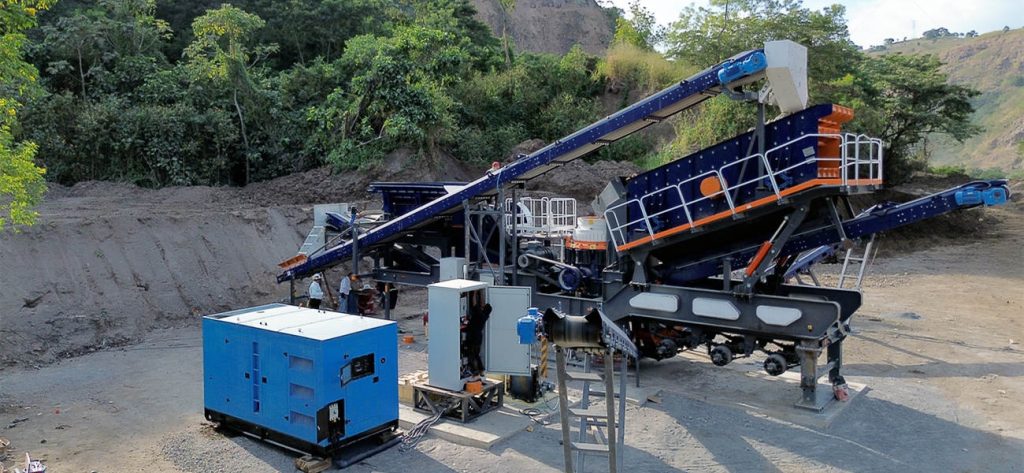
Electrical, Lubrication and Hydraulic Connection: Safe Commissioning Before Startup
After the mechanical installation of the small cone crusher for sale is completed, the connection of the electrical system, lubrication system, and hydraulic system must be carried out correctly, which is related to the safety, service life, and performance of the whole machine.
For the electrical system, the wiring must be carried out by a professional electrician according to the electrical schematic diagram. The motor rotation direction must be checked strictly; reverse rotation will cause serious damage to the transmission parts. Install reliable leakage protection, overcurrent protection, and emergency stop devices to ensure that the power supply voltage and frequency are stable and meet the equipment requirements. Before formal startup, conduct a no‑power simulation test to confirm that the control button, indicator light, and safety interlock function normally.
The lubrication system is the key to protecting the bearings and transmission parts of the small cone crusher. Check the oil level, oil quality, and oil path before adding the specified lubricating grease or lubricating oil. Ensure that the lubrication pump works normally and the oil pipe is not blocked or leaked. Insufficient lubrication or wrong oil type will cause rapid wear, high temperature, and even burning of bearings, which will lead to safety risks and production stoppage.
If the small cone crusher is equipped with a hydraulic system for adjusting the discharge port or cleaning the crushing chamber, you must check the hydraulic oil level, oil pipe joints, and pressure gauge. Ensure that there is no air in the hydraulic system and no oil leakage at the joints. The hydraulic pressure must be adjusted within the specified range to avoid excessive pressure causing component damage or safety hazards.
Final Inspection and No‑Load Test Run: Ensure Safe Formal Operation
Before putting the small cone crusher for sale into formal gravel crushing operation, a comprehensive final inspection and no‑load test run must be carried out, which is the last safety barrier.
Check all fasteners again to confirm that the bolts of the frame, lining plate, motor base, conveyor, and guard plate are fully tightened. Check whether the protective cover, guardrail, and warning signs are installed in place to prevent personnel from touching the rotating parts. Check whether there are tools, iron blocks, or debris in the crushing chamber; foreign matters must be cleaned up, otherwise they will cause serious damage when the machine is started.
Then carry out no‑load test run. Start the small cone crusher in the specified order and run it continuously for a period of time. During the test run, observe whether there is abnormal noise, severe vibration, oil leakage, electricity leakage, or overheating. Check the temperature rise of the bearing and motor, and confirm that the lubrication and hydraulic systems work normally. If any abnormality is found, stop the machine immediately for inspection and adjustment until the no‑load operation is completely stable.
Only after the no‑load test run is qualified can the formal feeding test be carried out. Start with a small amount of uniform feeding, gradually increase to the normal output, and observe the discharging condition, grain shape, and equipment state. Stable no‑load and load test runs mean that the small cone crusher has been safely set up and can be put into gravel crushing operation.
Safety Rules During Formal Operation
After the setup is completed, operators must always abide by safety operating procedures to maintain long‑term safe production. Do not overload the small cone crusher; do not feed materials with excessive hardness or size that exceeds the standard; do not clean, repair, or adjust the equipment during operation. Always pay attention to abnormal vibration, noise, or temperature rise, and stop the machine immediately for inspection in case of any abnormality. Regularly check bolts, lubrication, lining plates, and belts to maintain gravel crushing equipment for sale in good condition.
In conclusion, whether you purchase compact crusher for sale, small cone crusher for sale, stone crusher equipment, or gravel crushing equipment for sale, safe setup is a complete and rigorous process including preparation, foundation, positioning, system connection, inspection, and test run. Only by standardizing every step can you ensure the personal safety of operators, extend the service life of the small cone crusher, and achieve efficient, stable, and economical gravel crushing production.