
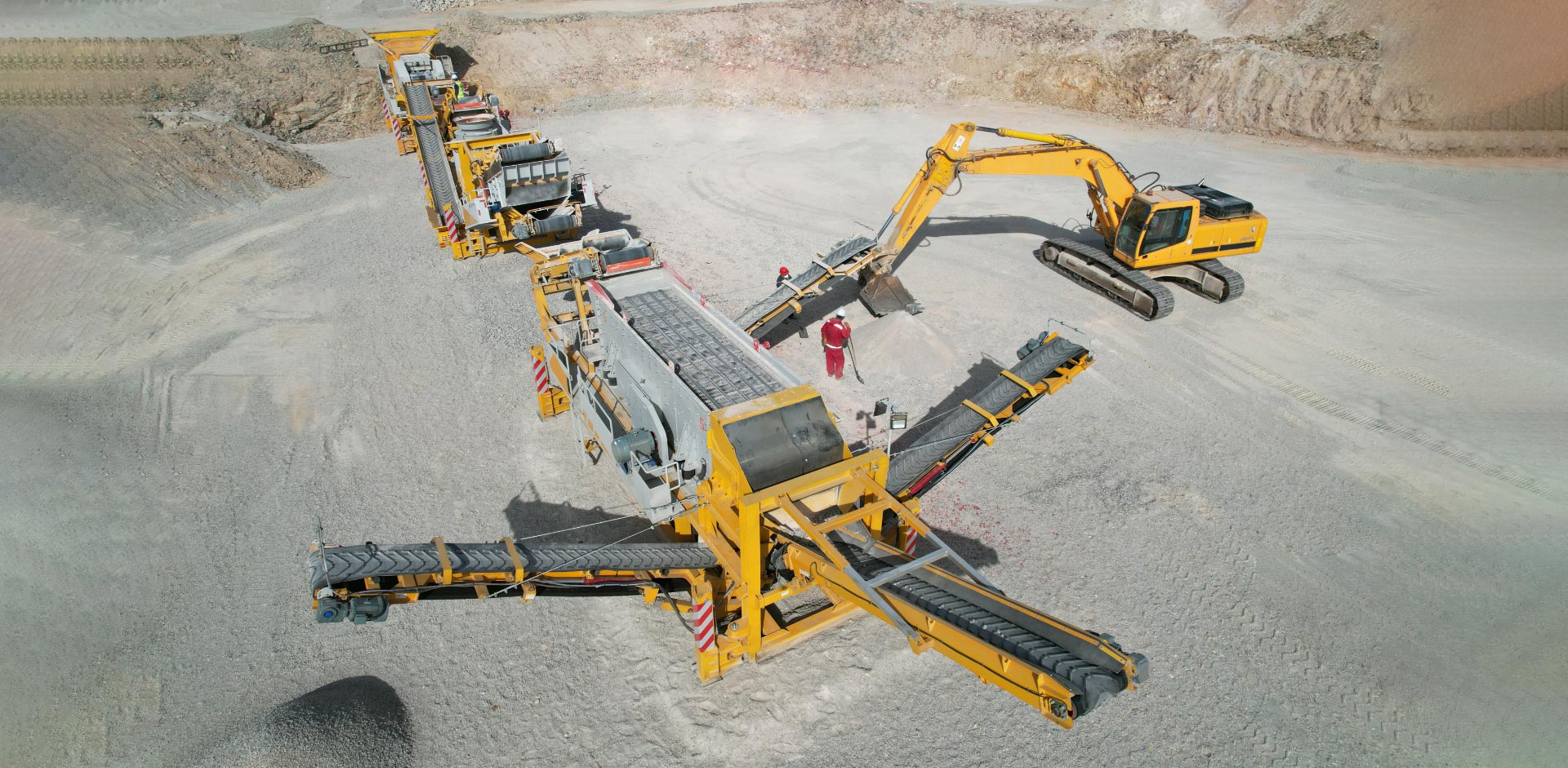
Venturing into the limestone mining sector presents a compelling opportunity, driven by insatiable demand from construction, agriculture, and industrial manufacturing. However, beneath the surface of this lucrative industry lies a complex web of capital expenditures that can ensnare the unprepared investor. The difference between a profitable quarry and a financial sinkhole often hinges not on the quality of the deposit, but on the strategic acquisition and management of processing equipment. These aren’t mere purchases; they are long-term capital investments that dictate operational efficiency, product quality, and ultimately, return on equity. To navigate this terrain successfully, one must possess a granular understanding of the limestone crusher machinery required, from the primary extraction point to the final screening plant. This analysis eschews superficial overviews, delving into the specific, often overlooked, cost centers that will demand your attention and capital.
The Primary Phase: Extraction and Initial Reduction
The journey from bedrock to aggregate begins with the liberation of the raw material. This initial phase is capital-intensive, demanding machinery engineered for extreme durability and continuous operation. The choices made here have a cascading effect on every subsequent stage of the operation. Underestimating the total cost of ownership for primary extraction equipment is a common pitfall for new entrants, who often focus solely on the purchase price while neglecting installation, maintenance, and energy consumption. A prudent investor evaluates not just the machine’s sticker price, but its anticipated throughput, its resilience to abrasion, and the availability of local support for its proprietary systems.
Drilling and Blasting Infrastructure
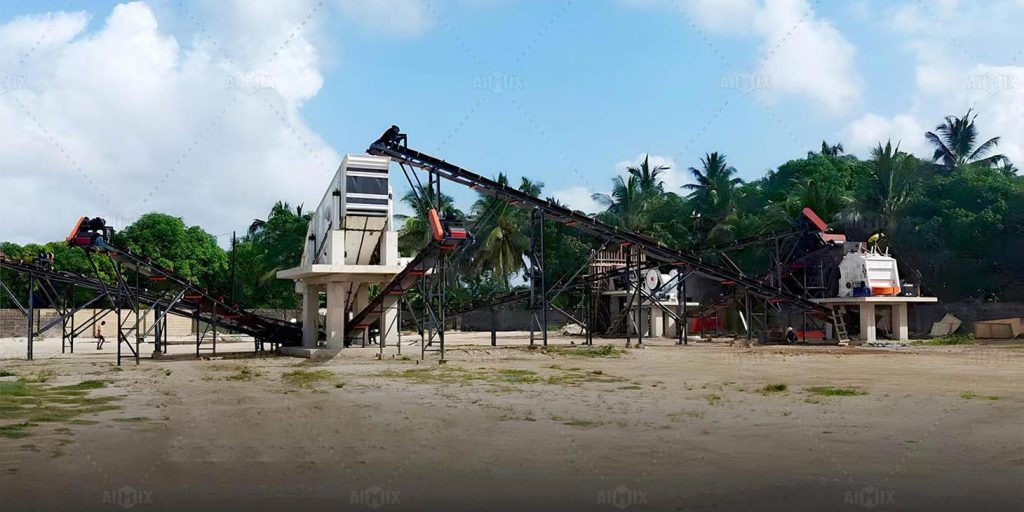
Before a single ton of stone reaches a limestone crusher, it must be fragmented from the earth. This necessitates investment in precision drilling rigs and the ancillary equipment for safe and effective blasting. Rotary blast-hole drills, often diesel-powered for remote locations, represent a significant outlay, with prices for new, high-capacity models easily reaching into the millions. However, the true cost lies in the consumables—tricone bits and down-the-hole hammers that erode against the abrasive limestone. These are high-wear items requiring frequent replacement. Furthermore, the blasting agent itself, whether ammonium nitrate fuel oil (ANFO) or emulsion explosives, constitutes a recurring operational expense that is profoundly sensitive to global commodity markets. Investing in surveying technology and borehole logging tools, while often overlooked, optimizes blast patterns, reducing downstream crushing costs and minimizing waste—a subtle but crucial financial consideration.
The Primary Crusher: The Jaw’s Appetite
Following fragmentation, the material is fed into the primary crusher, almost invariably a robust jaw crusher for hard rock applications. The capital cost here is substantial, with high-capacity units commanding prices north of a million dollars. Yet, the costs to scrutinize extend far beyond the initial invoice. The crusher’s setting, which determines the output size, must be adjustable, often requiring hydraulic systems that add complexity and cost. More critically, the jaw dies, which do the actual crushing, are sacrificial components made of manganese steel. The rate at which these dies wear is directly proportional to the silica content and abrasiveness of the limestone. This wear translates directly into downtime for change-outs and the recurring cost of replacement parts, a financial leak that can quietly erode profitability if not meticulously forecasted. An investor must secure a reliable supply chain for these wear parts before commissioning the stone crushing plant.
The Secondary Phase: Sizing, Shaping, and Screening
Once reduced by the primary jaw, the material enters the realm of secondary and tertiary processing. This stage is where the raw product is refined into marketable commodities of specific sizes and shapes. The equipment here is varied and the capital outlay can be dispersed across multiple units. The objective is to achieve maximum production of high-demand gradations while minimizing the generation of undesirable fines. This phase is an intricate dance of mechanical reduction and physical separation, each piece of equipment contributing its own unique cost profile to the overall operation. Ignoring the synergistic relationship between these machines can lead to bottlenecks and operational inefficiencies that are both costly and difficult to rectify.
Cone Crushers and Horizontal Shaft Impactors
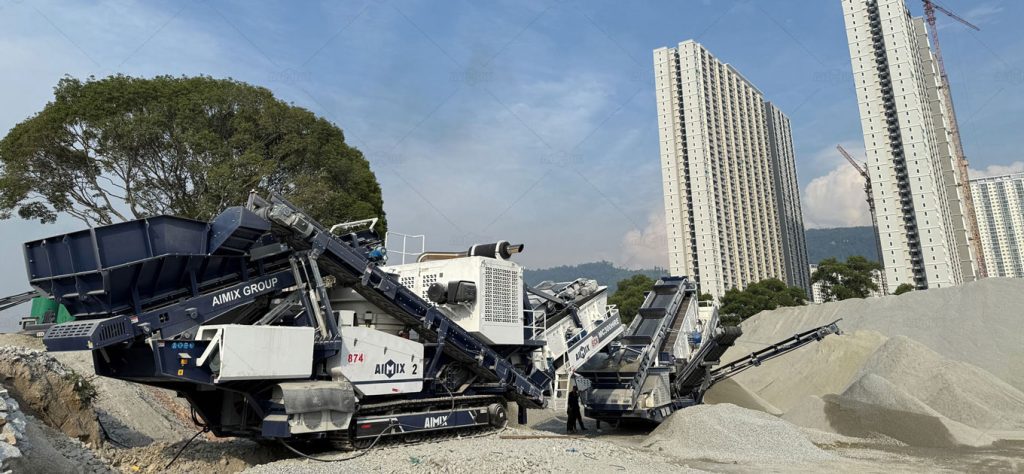
The choice between a cone crusher and an impactor for secondary reduction is a pivotal financial decision. Cone crushers, renowned for their durability and low wear costs, are the traditional workhorses for limestone. They operate by compressing rock between a moving mantle and a stationary concave. While the initial purchase price is high, the wear parts (the mantle and concave) are relatively long-lasting, offering a lower cost per ton for high-abrasion applications. Conversely, Horizontal Shaft Impactors (HSIs) use high-speed rotors to fling rock against aprons. They offer superior particle shape and higher reduction ratios but at the cost of significantly higher wear part consumption. The blow bars and aprons in an HSI are constantly battered, leading to frequent replacement. For an investor, this choice hinges on market demands: if the local market prizes the cubical shape produced by an HSI and pays a premium, the higher operational cost may be justifiable. If not, the cone crusher’s longevity is financially prudent.
Multi-Deck Screening Plants
The unsung heroes of any aggregate operation are the screening plants. These vibrating machines, equipped with multiple decks of woven wire mesh, separate the crushed material into discrete size fractions. The capital investment in robust, high-frequency screens is necessary to keep pace with modern aggregate crushers. However, the true operational cost lies in the screen media itself. The wire mesh is subject to constant abrasion and impact, leading to tears and holes that allow oversize material to contaminate finished products. Replacing this mesh is a frequent and costly maintenance activity. Furthermore, the efficient operation of screens requires precise tuning of vibration speed and amplitude, often necessitating sophisticated drives and bearings that are expensive to replace. Investing in polyurethane or rubber screen media, while costlier upfront, can dramatically extend service life and reduce the downtime associated with mesh changes, a strategic move that enhances long-term profitability.
The Overlooked Essentials: Conveyance and Compliance
Beyond the crushing and screening circuits, a significant portion of capital is absorbed by the ancillary systems that make the operation functional and legal. It is a common error to allocate funds solely to the headline-grabbing crushers while starving the supporting infrastructure. This myopia leads to operational paralysis, where a million-dollar crusher sits idle because a conveyor belt is damaged or a permit is suspended. These costs are not glamorous, but they are inescapable and must be factored into any comprehensive financial model. They represent the circulatory system and the legal framework of the entire enterprise.
The Arterial Conveyor Network
A modern quarry relies on an extensive network of conveyors to transport material between processing stages. The cost of these systems is often underestimated. It includes not just the belting itself, but the idlers, pulleys, gearboxes, motors, and the structural steel framework required to support them. For a large operation, the total length of conveyors can stretch for kilometers, representing a capital outlay comparable to a secondary crusher. Moreover, conveyor belts are high-wear items, susceptible to tearing and abrasion from sharp rock. The cost of belt repair or replacement, coupled with the downtime required to execute it, is a recurring operational burden. Automated belt scales, metal detectors, and rip detection systems, while adding to the initial cost, are essential investments to protect the belt and optimize production, preventing catastrophic failures and costly stoppages.
Environmental Mitigation and Permitting
In the modern regulatory landscape, compliance is not optional, and its costs are substantial. For a limestone mine, this primarily involves dust and noise suppression. Significant investment is required in water trucks for haul roads, dust collection systems (baghouses) at rock crushers and transfer points, and misting cannons. These systems consume water and power, adding to operational overhead. Furthermore, securing the initial permits often requires extensive environmental impact assessments, hydrological studies, and community engagement, all of which carry professional fees. Noise abatement measures, such as enclosing crushers or constructing earthen berms, add to the capital burden. An investor who neglects these compliance costs faces the existential risk of permit revocation, a financial catastrophe that dwarfs the expense of the mitigation equipment itself. Proactive investment in these areas is not just ethical; it is a fundamental prerequisite for operational longevity.